
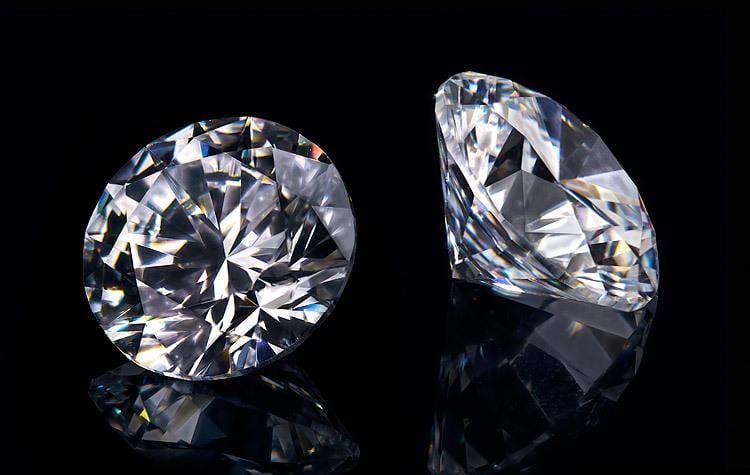
Singapore, a global hub for luxury and innovation, is currently witnessing a tectonic shift in its jewelry market. As the city-state balances its traditional heritage with a forward-looking commitment to sustainability, lab-grown diamonds (LGDs) have emerged as the “jewel in the crown” of modern consumerism.
This 4,000-word comprehensive exploration delves into why Singapore has become a pivotal market for cultured diamonds, the technology behind them, the ethical considerations, and lab grown diamonds singapore a guide on where to find the finest stones in the Little Red Dot.
1. Introduction: The New Standard of Brilliance
For decades, the diamond industry was synonymous with rarity, antiquity, and a “diamond is forever” marketing strategy that relied heavily on geological scarcity. However, in 2026, the narrative has changed. Singaporean millennials and Gen Z consumers, known for their lab grown diamond tech-savviness and ethical consciousness, are increasingly choosing lab-grown diamonds over their mined counterparts.
A lab-grown diamond is not a “fake” or a “simulant” like Cubic Zirconia or Moissanite. It is, atom for atom, identical to a diamond pulled from the earth. Singapore, with its limited land and emphasis on “Green Plans,” provides the perfect cultural soil for this sustainable alternative to take root.
2. Science and Craft: How Diamonds are Grown
To understand the value of a lab-grown diamond, one must understand the mastery of physics and chemistry required to create them. In Singaporean high-tech facilities and global laboratories, two primary methods are used to replicate the conditions of the Earth’s mantle.
High Pressure High Temperature (HPHT)
The HPHT method is the oldest of the two. It mimics the intense pressure and heat found 150 kilometers below the Earth’s surface. A tiny diamond “seed” is placed in carbon and subjected to pressures exceeding 1.5 million pounds per square inch and temperatures above 1,500°C.
Chemical Vapor Deposition (CVD)
CVD is the method of choice for many high-end jewelry brands in Singapore. It involves placing a diamond seed in a vacuum chamber filled with carbon-rich gases (like methane). A plasma cloud breaks down the gas, and carbon atoms rain down onto the seed, layering atom by atom.
3. The “Little Red Dot” Advantage: Why Singapore?
Singapore occupies a unique position in the LGD market for several reasons:
- Sustainability Goals: The Singapore Green Plan 2030 has heightened awareness regarding environmental footprints. Since LGDs require significantly less land displacement than mining, they align with national values.
- Trust and Regulation: Singapore’s strict consumer protection laws and the presence of reputable grading labs (like IGI and GIA Singapore) ensure that “what you see is what you get.”
- Customization Culture: Singaporean couples are moving away from “off-the-shelf” rings. The lower cost of LGDs allows more budget for bespoke settings and artisanal craftsmanship.
4. The 4 Cs in the Lab-Grown Context
When shopping at Ion Orchard or the boutiques of Tanjong Pagar, the 4 Cs remain the gold standard. However, in the lab-grown world, the expectations are higher.
Cut
Because LGDs are grown in a controlled environment, there is no reason to settle for anything less than an Excellent or Ideal cut. In Singapore, many boutiques specialize in “Hearts and Arrows” cuts, which maximize light return and fire.
Color
Lab diamonds typically fall into the D-F (colorless) range. In Singapore, D-color stones are the most sought after, symbolizing purity and the highest tech achievement.
Clarity
While mined diamonds often have “earth” inclusions (bits of coal or feathers), lab diamonds may have tiny metallic inclusions (from HPHT) or carbon spots (from CVD). Aim for VS1 or VVS2 for a “clean to the eye” look.
Carat
This is where the LGD advantage shines. In Singapore, the average engagement ring size has increased from 0.75 carats to 1.5–2.0 carats, simply because LGDs offer 60-80% more value per dollar.
5. Ethical and Environmental Impact
One of the primary drivers for the Singaporean market is the “Conflict-Free” guarantee. While the Kimberley Process has improved the mined diamond industry, LGDs offer a 100% guarantee of origin.
- Land Use: Mining a single carat of diamond can displace over 250 tons of earth.
- Water Use: LGDs use a fraction of the water required for industrial-scale mining operations.
- Human Rights: Choosing lab-grown eliminates any concern regarding labor conditions in remote mining regions.
6. Where to Buy: Top Singaporean Boutiques
If you are looking to purchase a lab-grown diamond in Singapore, these are the market leaders in 2026:
| Boutique | Specialty | Vibe |
| August Bespoke | Custom Design | High-end, artisanal, storytelling-focused. |
| LuvDiamonds | Transparency | Tech-forward, large inventory of loose stones. |
| Star Carat Shop | Accessibility | Part of the SK Jewellery Group, great for first-time buyers. |
| Novita Diamonds | Global Selection | One of the pioneers in Singapore with a massive online-to-offline presence. |
| The Better Diamond | Modern Luxury | Sleek, minimalist designs for the contemporary woman. |
7. Price Comparison: Mined vs. Lab-Grown
In the Singaporean context, here is a rough estimate of what you might expect to pay in 2026 for a 1.00 Carat, Round Brilliant, F Color, VS1 Clarity, Ideal Cut diamond:
- Mined Diamond: S$10,000 – S$15,000+
- Lab-Grown Diamond: S$1,800 – S$3,500
This price difference allows Singaporean buyers to either save for a house downpayment or upgrade to a more elaborate, platinum designer setting.
8. Certification: Why IGI and GIA Matter
In Singapore, never buy a diamond without a report.
- IGI (International Gemological Institute): Currently the leader in grading lab diamonds. They provide a full 4C assessment and state clearly that the stone is lab-grown.
- GIA (Gemological Institute of America): The industry heavyweight. Their reports are equally rigorous, though often slightly more expensive.
9. Common Myths Debunked
- “They don’t sparkle as much”: Incorrect. They have the same refractive index (2.42) and dispersion as mined diamonds.
- “They lose value”: Like cars, diamonds are generally not great “investments.” However, the utility and beauty of an LGD remain constant.
- “They are like glass”: No. They are 10 on the Mohs scale—the hardest material known to man.
10. Conclusion: The Future is Bright
As Singapore continues its journey toward a more sustainable and tech-integrated future, lab-grown diamonds are no longer a trend—they are the new standard. Whether you are proposing on the sands of Sentosa or looking for a commemorative gift at Marina Bay Sands, LGDs offer a way to celebrate love without compromising on ethics or brilliance.
The “Little Red Dot” has always been a place where the future is built today. In the world of fine jewelry, that future is grown in a lab, atom by sparkling atom.